
Ceiling design tends to be forgotten, but it contributes significantly towards creating a productive, professional, and pleasingly presented working environment. The perfect ceiling improves acoustics, lighting, and even employee health. In this blog, we’ll take you through choosing the ideal ceiling for your office.
Why Ceilings Matter in Office Design
Your office ceiling isn’t just a structural feature; it’s a key design element that influences how your workspace looks and functions. A well-designed ceiling improves acoustics, supports energy-efficient lighting, and boosts air circulation. Whether you’re building a new workspace or revamping an existing one, selecting the right ceiling can significantly enhance your overall office environment. Suspended ceilings and commercial false ceilings are particularly valued in UK offices for their streamlined appearance and practical advantages.
For example, drop ceilings can conveniently hide unsightly cabling and ductwork, producing a neater, distraction-free environment. Drop ceilings are also modular, allowing damaged panels to be replaced without disassembling the entire system. With so many choices to select from, it is important to take functionality and aesthetics into account prior to making a final decision.
Key factor to consider while choosing the right ceilings for your office.
Acoustics: Do You Require Soundproofing?

In open offices or high-traffic workspaces, noise control is critical. Certain ceiling materials, particularly those used in suspended ceilings, are incorporated to contain sound and reduce echo. Acoustic ceiling tiles maintain a quieter office environment, enhance concentration, and improve communication. They are particularly suitable for meeting rooms, call centers, and open collaboration spaces.
Lighting Compatibility: Recessed, Panels, or Pendants?
Your ceiling must blend in with your lighting scheme. Drop ceilings provide easy installation for recessed lighting, LED panels, or pendant lighting. Commercial false ceilings usually include customizable panels to enable smooth transitions of light. This enhances both form and efficiency of energy usage as well as the elimination of installation inconvenience.
Access to Utilities: HVAC and Wiring

One of the greatest benefits of suspended ceilings is that it is easy to access utilities. If your office has intricate IT systems, air conditioning, or regular servicing, then easy entry via a ceiling is a must. Ceiling tiles can be easily removed or lifted without having to affect the entire building.
Aesthetic Appeal: Match the Office Style
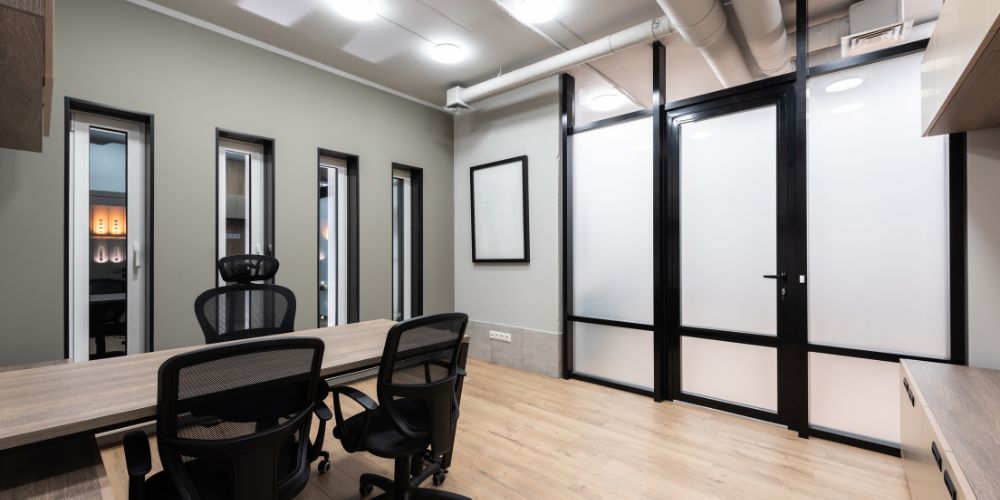
Ceilings assist in building your workplace and brand identity. Modern, sleek, or traditional, you choose. You can pick a selection of metal, gypsum, or acoustic tiles with several finishes to match your preferred visual. Suspended ceilings provide a minimalist look, and exposed ceilings can add an industrial touch.
Budget and Maintenance
Initial expenditure varies greatly based on material and installation type. While some ceilings are inexpensive to install, they can be more expensive to maintain in the future. Drop ceilings, for instance, are cheap and simple to maintain, making them suitable for low-budget companies.
Well-Liked Office Ceiling Types (With Pros & Cons Table)
| Ceiling Type | Pros | Cons |
| Suspended Ceilings | Simple facility access, modular, clean finish | Can shrink headroom, variable cost |
| Commercial False Ceiling | Glamorous, effective insulation hides services | More expensive, difficult repair access |
| Drop Ceiling | Inexpensive, good acoustics, versatile | Will not fit every design |
| Exposed Ceiling | Modern, industrial appearance makes the most of the ceiling height | Poor sound control, tricky service access |
| Gypsum Ceiling | Smooth, fire-rated finish | Non-modular, more difficult to alter or repair |
Also Read: Advantages and Disadvantages of Commercial False Ceilings
Expert Tips for Choosing the Right One
Before deciding on your ceiling, consider your office’s specific needs. If your business entails technology, make cable and system accessibility your priority. For artistic or client-facing offices, select ceiling finishes that reflect your brand. Always include maintenance costs over the long term; an extra-expensive ceiling could save money in the long run.
It’s a good idea to consult with a UK-based commercial interiors expert. They can assess requirements like ceiling load, fire safety, acoustics, and ventilation. Don’t forget to request material samples to ensure the look and texture match your expectations.
When to Replace or Upgrade Your Ceiling
If your ceiling is water-stained, sagging, or old-fashioned in design, it is time for an upgrade. Ceiling replacement is also necessary in the case of total office renovations or brand repositioning. Modern suspended ceilings and false ceiling systems bring in both performance and design enhancements.
Replace when your existing ceiling impedes natural light, disrupts airflow, or limits access to wiring and services. With newer materials entering the UK marketplace, you can improve both form and function without an overall overhaul.
Conclusion
The ideal ceiling option benefits extend beyond appearance, enhancing comfort, energy efficiency, and office productivity. From dropped ceilings to suspended ceiling options, Crisp Contracts helps UK companies identify the best ceiling solution. Contact us today to explore customized ceiling solutions tailored to your workplace objectives.